Medical need

HHT is a severe rare disease with no approved therapies

The 2nd most common inherited bleeding disorder

HHT, Hereditary Hemorrhagic Telangiectasia (also known as Osler Weber Rendu syndrome) is a rare autosomal dominant genetic disorder characterized by abnormal blood vessel formation, including telangiectasia and arteriovenous malformations (AVMs). Often underdiagnosed due to variable clinical presentation and limited disease awareness.

>96%

of cases are caused by loss-of-function mutations in ENG or ACVRL1, genes essential for endothelial BMP signaling and normal vascular development

icon of DNA strains

ENG (HHT1)
ACVRL1 (HHT2)

Care is limited to symptom- and procedure-based interventions that do not address the underlying disease

HHT affects ~1 in 3,800 to 5,000
people worldwide

HHT affects ~1 in 3,800 to 5,000 people worldwide

A chronic, multisystem disease with abnormal blood vessel formation in multiple organs, causing significant patient burden where the majority of patients suffer from Epistaxis (nosebleeds) with chronic anemia

Key clinical manifestations

Vascular mucosal lesions (telangiectases)

image of nose

Nasal
90%

of patients

images of gastrointestinal

Gastrointestinal
>30%

of patients

Lesions in the nose and GI tract lead to chronic nose bleeds (epistaxis) or gastrointestinal bleeding.
This chronic blood loss may lead to iron deficiency, anemia, fatigue, and shortness of breath. Many patients require ongoing iron supplementation, including intravenous iron infusions and, in some cases, blood transfusions.

Internal arteriovenous malformation (AVMs)

image of brain

Brain
20%
of patients

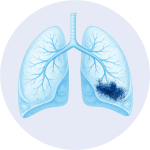
image of lung

Lung
50%
of patients

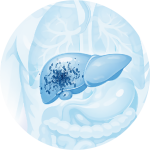
Image of liver

Liver
40-70%

of patients

AVMs in the brain, lungs, and liver can cause serious complications.
Brain AVMs may result in stroke, seizures, or intracranial bleeding. Lung AVMs can lead to right-to-left blood shunting, increasing the risk of stroke, infection, pulmonary bleeding, and chronic respiratory problems. Liver AVMs can contribute to high-output heart failure, pulmonary arterial hypertension, and progressive liver dysfunction.